Hampstead Heath upholstery cleaning for Belsize Park homes
If your sofa has started to look a little tired, or the armchair by the window has picked up everyday London life faster than you expected, you are not alone. Hampstead Heath upholstery cleaning for Belsize Park homes is one of those jobs that sounds simple until you actually sit down and inspect the fabric. Dust settles. Spills linger. Pet hair finds its way into every seam. And in a home near the Heath, with open windows, changing weather, and busy family routines, upholstery can take a fair beating.
This guide explains what upholstery cleaning involves, why it matters in Belsize Park homes, how the process works, what methods suit different fabrics, and how to avoid the common mistakes that shorten furniture life. You will also find practical checklists, a comparison table, and a few grounded tips that make the whole thing much easier to judge. Let's keep it simple and useful.
Why Hampstead Heath upholstery cleaning for Belsize Park homes Matters
Upholstery does more than make a room look finished. It is where families sit, guests linger, dogs nap, and coffee somehow ends up on the one cushion you did not plan to use. In Belsize Park, many homes balance everyday use with a slightly elevated standard of presentation. That means upholstery needs to look good, but it also needs to be healthy, durable, and properly cared for.
The area around Hampstead Heath brings its own quirks. People come back from walks with damp coats, muddy shoes, and pollen on clothing. Windows may be open in spring and summer, which lets fresh air in but also brings fine dust and outdoor debris. Add London traffic film, cooking odours, and the general shuffle of a busy home, and your sofa or dining chairs begin to tell the story.
There is also the fabric issue. A velvet footstool, a linen loveseat, a boucle dining chair, or a leather armrest all respond differently to moisture, heat, and detergents. That is why a general "give it a quick scrub" approach can go wrong very quickly. Truth be told, upholstery cleaning is as much about judgment as it is about equipment.
If you are already looking after the rest of the home, it makes sense to keep soft furnishings in the same standard. That is where services such as deep cleaning and domestic cleaning can fit into a broader routine, especially when you want the whole property to feel properly refreshed rather than just tidied.
Expert summary: Upholstery cleaning is not only about appearance. Done properly, it helps protect fabric, improve comfort, reduce trapped dirt, and keep a Belsize Park home feeling fresh without risking damage to delicate materials.
How Hampstead Heath upholstery cleaning for Belsize Park homes Works
Most professional upholstery cleaning follows a fairly careful sequence, even if the tools vary. The goal is to remove soil safely from inside the fabric, not simply move it around. If you have ever wiped a stain only to watch it reappear later as a dull patch, you have seen why method matters.
1. Inspection and fabric identification
A proper clean starts with checking the material type, the condition of the item, and the manufacturer's care label. That label may indicate whether the fabric can handle water-based cleaning, solvent-based cleaning, or only gentle surface treatment. Some fabrics can shrink, bleed colour, or lose texture if the wrong method is used. No drama needed; just careful handling.
2. Dry soil removal
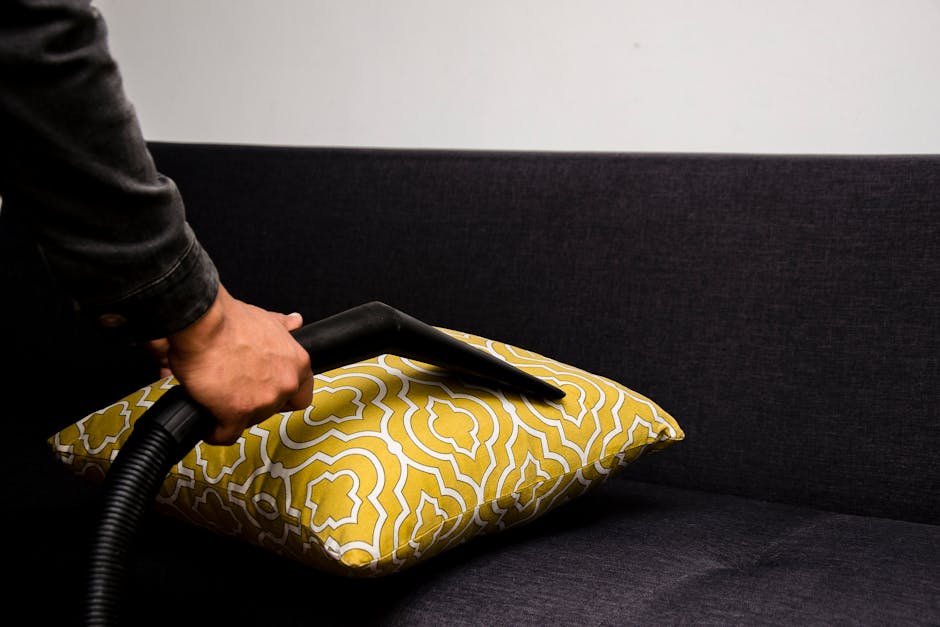
Loose dust, crumbs, pet hair, and grit are removed first. This is a bigger deal than people think. If that dry soil is left in place, it can turn into a muddy paste the moment moisture is added. Professional vacuuming along seams, piping, and under cushions makes the later stages far more effective.
3. Spot testing and pre-treatment
Small hidden patches are tested before any solution is applied across the full piece. Stains are then pre-treated according to type: food, drink, body oils, makeup, pet accidents, and general grime all need different handling. A red wine mark is not the same as a grease patch from years of resting elbows in one spot. Annoying, but true.
4. Main cleaning method
Depending on the fabric and the item, cleaning may involve hot water extraction, low-moisture cleaning, dry compound methods, or careful hand application. Softer fabrics and antique items often need a more restrained approach. Heavily used family sofas may benefit from deeper extraction, while structured dining chairs might need detail work around seams and buttons.
5. Rinsing or residue control
Good upholstery cleaning leaves as little sticky residue as possible. Leftover detergent can attract fresh dirt, which means the fabric looks grubby again too soon. That is one of those hidden issues most homeowners never notice until they compare results.
6. Drying and finishing
Drying matters almost as much as cleaning. Furniture should be left with good airflow, and cushions may need to be rotated or propped to dry evenly. In some homes, a soft brush or pile restoration tool may be used to revive the nap of the fabric. When the job is done well, the room feels lighter. Not magical, just pleasantly cleaner.
Key Benefits and Practical Advantages
There is a difference between "looks cleaner" and "is genuinely better cared for." Upholstery cleaning can deliver both, and the practical benefits add up quickly in a lived-in home.
- Freshens the appearance of the whole room: Sofas and chairs take up visual space. When they are cleaned properly, the room often looks brighter without any other changes.
- Helps remove embedded dust and allergens: Upholstery can hold more than surface dirt. Regular cleaning helps reduce the build-up of dust, pollen, and general debris.
- Supports fabric longevity: Dirt particles act a bit like fine sandpaper over time. Removing them can help reduce wear in high-contact areas.
- Improves smell and comfort: Cooking aromas, pet odours, and everyday living can cling to soft furnishings. Cleaning often makes the room feel more breathable.
- Can protect property value and presentation: If you host guests, rent your home, or are preparing for sale, tidy upholstery makes an immediate difference.
There is a wider home-care benefit too. If you already schedule carpet cleaning or need a full reset after a busy season, upholstery is usually worth including. Carpets and soft furnishings tend to age together, so it makes sense to treat them as part of the same system.
One small thing people often notice after a proper clean is that the room smells "quieter." That may sound odd, but it is real. The stale background odours are simply gone. And once you notice that, you cannot un-notice it.
Who This Is For and When It Makes Sense
This kind of cleaning is not only for visibly dirty sofas. In fact, many upholstery jobs happen before obvious staining appears. That is usually the smarter move.
You may benefit from upholstery cleaning if you are:
- a homeowner with a family sofa that gets daily use
- living with pets that shed, drool, or love a favourite chair a bit too much
- in a period or high-value property where fabric care matters
- preparing a home for sale, guests, or a new tenancy
- noticing dull patches, lingering odours, or a generally tired look
- dealing with accidental spills that have already settled in
It also makes sense after certain life moments: a renovation, a winter of shut windows, a house full of visitors, or the arrival of a new baby. To be fair, furniture often gets forgotten until someone sits down and says, "Has this always looked like that?"
If you are managing multiple tasks at once, a broader service mix can help. For example, households sometimes pair upholstery work with one-off cleaning or the more targeted care of sofa cleaning when just one piece needs attention. That keeps priorities sensible instead of trying to do everything at once.
And yes, sometimes a quick vacuum is enough. But if the fabric has lost its lift, feels slightly tacky, or carries an old stain you keep trying not to look at, it is probably time.
Step-by-Step Guidance
If you want to understand the process before booking a service, this is the simplest way to think about it.
- Identify the furniture and fabric. Check labels, note any existing damage, and be honest about stains. A hidden tear or loose seam can affect the cleaning approach.
- Clear the area. Move small items, lamps, and fragile decor away from the work zone. Give the cleaner access to all sides of the furniture if possible.
- Vacuum thoroughly. Focus on seams, folds, and cushion gaps. This removes grit and makes wet cleaning far more effective.
- Test first. Any cleaning solution should be patch-tested in a discreet area before broader use. That is basic good practice.
- Treat stains individually. Spot treatment should match the stain type and fabric type. One-size-fits-all products can create rings or colour loss.
- Clean using the right method. Choose extraction, low-moisture, dry, or hand-cleaning based on the fabric and condition of the item.
- Rinse or extract residue. Remove as much moisture and detergent as possible to reduce re-soiling and drying time.
- Dry correctly. Keep air moving, avoid heavy use too soon, and fluff or brush the pile if needed.
- Inspect once dry. Check for missed marks, tide lines, and any areas that may need a second pass.
A useful rule of thumb: if a stain is unknown, old, or set into a delicate fabric, do not rush it. Slow and careful usually wins. Sometimes not glamorous, but that is how good results happen.
Expert Tips for Better Results
There are a few things that make a noticeable difference, even if they sound small.
Keep a cleaner routine between deep cleans
Weekly vacuuming on low-suction settings helps a lot. If you have removable cushions, rotate them. This spreads wear and stops one side from becoming noticeably flatter than the rest.
Act quickly on spills, but gently
Blot, do not rub. Rubbing pushes liquid deeper and can roughen the fibres. Use a white cloth rather than a coloured one, because dye transfer is the kind of surprise nobody wants. A small, calm response beats an enthusiastic scrubbing session every time.
Know your fabric personality
Velvet, wool blends, linen, microfibre, and leather all behave differently. Velvet can crush. Linen can wrinkle and watermark. Leather needs moisture balance and conditioning rather than soaking. Fabric awareness saves money and a lot of frustration.
Mind the London airflow problem
In flats and terrace homes alike, drying can be slower in rooms with limited ventilation. If cleaning is done in the afternoon and windows are shut by evening, you may need extra airflow. A fan or open internal doors can help more than people expect.
Schedule before things get desperate
Waiting until a sofa is obviously grim usually means more intensive treatment and higher risk to the fabric. Preventive care tends to be more economical and less stressful. Boring advice, yes. Still true.
If you are comparing broader property care options, the same careful standard matters across the home. That is why households often choose a trusted cleaning company when they want everything handled in a coordinated way rather than in fragments.
Common Mistakes to Avoid
Upholstery cleaning mistakes usually come from good intentions. People want a stain gone, so they move too fast. Happens all the time.
- Using the wrong cleaner on the wrong fabric. A product safe for one fabric may damage another, especially on coloured or delicate textiles.
- Soaking the material. Too much water can cause shrinkage, odours, or visible water marks.
- Skipping patch tests. This is one of the quickest ways to create a larger, more expensive problem.
- Scrubbing too hard. That can distort pile, spread stains, and leave rough patches.
- Forgetting hidden areas. Seat backs, undersides, arms, and cushion seams often hold more dirt than the visible front surface.
- Using too much detergent. Extra product does not equal extra clean. Often it just leaves residue behind.
- Using furniture too soon. Premature use can flatten damp fibres and trap moisture.
The most common pattern is simple: a person sees a mark, reaches for a household spray, and then wonders why the patch looks larger later. Not a moral failing. Just very human.
Tools, Resources and Recommendations
If you want better long-term results, a few tools and habits help more than fancy language ever will.
- Vacuum with upholstery attachment: Good suction and a gentle nozzle make regular maintenance far easier.
- Soft brush: Useful for lifting debris from fabric texture and restoring the look of pile after drying.
- Microfibre cloths: Handy for blotting small spills without pushing them deeper.
- Fabric-safe stain remover: Only if it matches the material and is used carefully after testing.
- Fans or airflow aids: Helpful in rooms that dry slowly, especially in cooler months.
- Protective throws or arm covers: Practical for high-use seats, though they should not replace proper cleaning.
For adjacent household needs, some residents combine upholstery care with rug cleaning or even window cleaning to lift the feel of the entire room. That broader approach can be especially worthwhile before hosting or after a long damp spell.
If you are choosing between a general cleaner and a specialist, look for someone who can explain their fabric approach in plain English. If they cannot tell you why one method suits velvet and another suits synthetic seating, that is a bit of a warning sign.
Law, Compliance, Standards, or Best Practice
For upholstery cleaning in a home setting, the key issues are less about formal regulation and more about safe, responsible working practice. That said, reputable providers should still operate with clear standards.
Good practice usually includes:
- Insurance and public liability cover: Important if work is being carried out in your home, especially around valuable furniture, flooring, or walls. You can review a provider's insurance and safety information before booking.
- Health and safety awareness: This includes safe handling of equipment, cables, cleaning agents, and wet surfaces. A tidy setup matters more than people realise.
- Care-label respect: Cleaning should follow fabric guidance rather than ignore it.
- Transparent pricing and expectations: You should know what is included, what may cost extra, and what outcomes are realistic.
- Appropriate product use: Safe detergents and methods should be used in a way that avoids unnecessary risk to occupants, pets, or finishes.
If disposal of waste water or packaging is part of the service, responsible handling is also a good sign. A cleaner who treats your home carefully should treat the wider process carefully too. For more about site standards and related policies, it can help to review the provider's health and safety policy and broader information pages.
And just to be clear, if a company makes sweeping guarantees like "every stain removed" or "every fabric safe," that is usually too neat to be believable. Real upholstery care depends on the material, age, prior treatment, and condition of the item.
Options, Methods, or Comparison Table
Different upholstery jobs call for different methods. Choosing well is half the battle.
| Method | Best for | Strengths | Watch-outs |
|---|---|---|---|
| Hot water extraction | Sofas, fabric chairs, heavily soiled upholstery | Deep soil removal, strong refresh, good for general grime | More drying time; not ideal for all delicate fabrics |
| Low-moisture cleaning | Everyday maintenance, some blended fabrics | Faster drying, less water exposure | May be less suitable for very heavy staining |
| Dry cleaning or compound cleaning | Delicate fabrics, certain heritage or sensitive pieces | Reduced moisture risk, useful for fragile textiles | Not every stain responds equally well |
| Hand spot treatment | Small stains and targeted areas | Precise, controlled, cost-effective for minor issues | Limited if dirt is widespread |
| Leather care | Leather sofas and chairs | Supports finish, cleans surface grime, maintains appearance | Requires specialist conditioners and careful product choice |
For some homes, the best answer is not one method but a combination. A lounge sofa might need extraction, while a dining chair set needs targeted spot work and careful drying. Simple, really - but not always obvious from the outside.
Case Study or Real-World Example
A typical Belsize Park scenario goes like this. A family returns from a stretch of spring outings around Hampstead Heath, the children drop bags by the sofa, and over a few weeks the room picks up a mix of crumbs, damp coat odour, and a couple of vague marks no one can quite explain. The sofa is still perfectly usable, but it no longer feels fresh.
In a case like that, a careful upholstery clean usually starts with inspection and vacuuming, then a fabric-safe treatment for the main seating area, followed by separate attention to the armrests and cushions. If there is a pet involved, there may be a slightly stronger focus on odour control and hair removal. If the sofa is light-coloured, the edges and seating wells matter most because that is where the build-up shows first.
What tends to surprise people is how much better the room looks once the fabric has dried fully. Not just cleaner. More balanced. Softer colours appear clearer. The sofa sits better in the space. Even the rug beside it starts to make more sense, oddly enough.
That same household might later decide to book cleaners for a wider refresh, especially if the kitchen and hallway also need attention. It is usually the combination of small improvements that makes a home feel properly looked after.
Practical Checklist
Use this before booking upholstery cleaning or before trying to maintain furniture yourself.
- Check the care label on each item.
- Identify stains, smells, and visible wear.
- Vacuum seams, cushions, and under-seat areas.
- Move small furniture and fragile items away from the work area.
- Test any product on a hidden patch first.
- Match the cleaning method to the fabric type.
- Avoid over-wetting the upholstery.
- Allow enough drying time with good airflow.
- Rotate cushions after cleaning and during routine care.
- Review whether upholstery should be cleaned alongside carpets, rugs, or other rooms.
- Confirm insurance, safety, and pricing details before the appointment.
Quick takeaway: if the fabric is delicate, valuable, or already marked, do less forcefully but more thoughtfully. That is usually the winning move.
Conclusion
Hampstead Heath upholstery cleaning for Belsize Park homes is really about protecting the comfort and character of the spaces you live in every day. It keeps sofas, chairs, and other soft furnishings looking cared for, helps reduce hidden dirt, and can make a room feel fresher without changing anything else.
The smartest approach is not the most aggressive one. It is the one that respects the fabric, matches the stain, and gives the furniture time to dry properly. If you remember that, you will avoid most of the common problems and get a far better result. And honestly, the difference is easy to feel once you sit down.
If your home is ready for a proper refresh, now is a good moment to compare options, check the fabric care, and plan a cleaning method that suits the furniture rather than forcing the furniture to suit the method.
Get a free quote today and see how much you can save.
Sometimes the smallest bit of care makes a room feel like itself again. That is worth doing well.
Frequently Asked Questions
How often should upholstery be cleaned in a Belsize Park home?
For most homes, a deep upholstery clean every 6 to 12 months is a sensible starting point, with more frequent care if you have pets, children, heavy use, or light-coloured fabric. Regular vacuuming in between makes a noticeable difference.
Can all upholstery fabrics be cleaned the same way?
No. Velvet, linen, cotton blends, microfibre, synthetic fabrics, and leather all need different handling. The care label and fabric condition should guide the method, otherwise you risk shrinkage, colour loss, or water marks.
Will upholstery cleaning remove old stains?
Sometimes yes, sometimes partly, and sometimes not fully. Age, prior cleaning attempts, stain type, and fabric structure all matter. The honest answer is that old stains are harder, but many still improve a great deal with the right treatment.
How long does upholstered furniture take to dry?
Drying time depends on the method used, the fabric, room temperature, and ventilation. Lightweight cleaning may dry faster, while deep extraction can take longer. Good airflow helps more than most people expect.
Is upholstery cleaning safe for pets and children?
It can be, provided suitable products are used and the furniture is allowed to dry fully before regular use. If you have sensitivities, ask what products are being applied and whether any ventilation steps are needed.
What is the difference between sofa cleaning and upholstery cleaning?
Sofa cleaning is usually a more specific service focused on sofas, while upholstery cleaning covers chairs, footstools, benches, and other fabric-covered furniture. In practice, the methods overlap quite a lot.
Can I clean upholstery myself with shop-bought products?
Yes, for small marks or routine maintenance, but test first and follow the label carefully. DIY cleaning is best for simple, low-risk jobs. Delicate fabrics, unknown stains, and larger pieces are better handled more cautiously.
Why do stains sometimes come back after cleaning?
That can happen when soil or residue moves up from deeper layers as the fabric dries. It may also be caused by over-wetting or incomplete extraction. A thorough clean and proper drying reduce the risk.
Does upholstery cleaning help with odours?
Yes, especially when odours are trapped in fibres from pets, food, smoke, or general living. Deep cleaning often improves freshness significantly, though strong or long-standing odours may need targeted treatment as well.
Should I clean carpets and upholstery at the same time?
Often, yes. If both are due for a refresh, doing them together can make the home feel more consistent and save time. Many households choose a broader clean when preparing for guests, moving home, or starting a new season.
How do I know if my furniture needs professional cleaning?
If the fabric looks dull, smells stale, has visible marks, or feels different to the touch, it probably needs more than a quick vacuum. If you are unsure, a careful assessment is usually worth it rather than waiting until the problem becomes obvious.
What should I check before booking a service?
Ask about fabric expertise, insurance, safety practices, pricing, and how the cleaner handles delicate materials. It is also sensible to check whether they explain drying times and what results are realistic for your furniture. A clear answer is usually a good sign.
Are there any maintenance tips after cleaning?
Yes. Vacuum regularly, rotate cushions, address spills quickly, and avoid placing furniture in direct harsh sunlight for long periods. Small habits make the next clean easier and help keep the fabric in better shape for longer.