Oven cleaning Englands Lane NW3 Belsize Park: a practical guide for cleaner results and less hassle
If you live or work around Englands Lane in NW3, you will know how quickly an oven can go from "fine" to frankly annoying. A bit of roast fat here, a few splatters there, and before long the glass door looks dull, the trays feel sticky, and every time you preheat the oven you get that faint burnt smell. Oven cleaning Englands Lane NW3 Belsize Park is not just about appearances. It helps keep cooking safer, reduces smoke and odours, and can make a busy kitchen feel a lot more pleasant again.
This guide explains what professional oven cleaning usually involves, why it matters in a local Belsize Park setting, what to expect on the day, and how to choose the right approach for your home or rental property. I'll also cover common mistakes, useful standards of care, and the small details that often make the difference between a decent clean and a proper reset. It's the sort of thing people put off for weeks, then suddenly care about a lot. Fair enough.
Table of Contents
- Why Oven cleaning Englands Lane NW3 Belsize Park Matters
- How Oven cleaning Englands Lane NW3 Belsize Park Works
- Key Benefits and Practical Advantages
- Who This Is For and When It Makes Sense
- Step-by-Step Guidance
- Expert Tips for Better Results
- Common Mistakes to Avoid
- Tools, Resources and Recommendations
- Law, Compliance, Standards, or Best Practice
- Options, Methods, or Comparison Table
- Case Study or Real-World Example
- Practical Checklist
- Conclusion
- Frequently Asked Questions
Why Oven cleaning Englands Lane NW3 Belsize Park Matters
Ovens collect grease, carbon, crumbs, sauce spills and general cooking residue. Leave it long enough and the build-up becomes more than a cosmetic issue. It can affect how evenly the oven heats, create lingering smells, and make simple jobs like roasting vegetables feel harder than they should. In a local area like Belsize Park, where many homes have well-used kitchens and busy routines, a clean oven is one of those quiet wins you notice every day.
There is also a practical side that people sometimes overlook. Grease deposits can smoke at high temperatures, which is unpleasant at best and can turn a normal dinner into a bit of a drama. If you've ever opened the door and seen brown residue baked into the fan cover, you already know the feeling. Not glamorous, but very common.
A proper oven clean also supports the rest of the kitchen. When the oven is clean, surrounding surfaces tend to stay cleaner for longer because airborne grease and odour are reduced. That matters if you are trying to keep on top of domestic cleaning or preparing a property for guests, tenants or inspection. If your home needs wider support too, it can make sense to look at domestic cleaning or deep cleaning alongside oven care, especially when the kitchen has become the main battleground.
For landlords and tenants, the oven often becomes a sore point near the end of a tenancy. It is one of the things people remember, because inspectors remember it too. That is why oven cleaning is often included as part of end of tenancy cleaning. To be fair, the oven has a habit of telling the truth about how a property has really been used.
How Oven cleaning Englands Lane NW3 Belsize Park Works
Professional oven cleaning is usually a methodical process, not a quick wipe-down. The exact method depends on the oven type, the level of soil, and whether the appliance has self-cleaning features or delicate coatings. A trained oven cleaner will normally start by identifying removable parts, checking the condition of seals and glass, and deciding which cleaning agents are appropriate for that model.
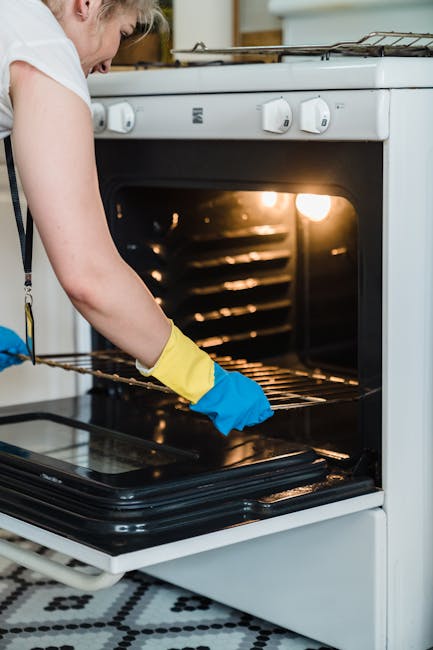
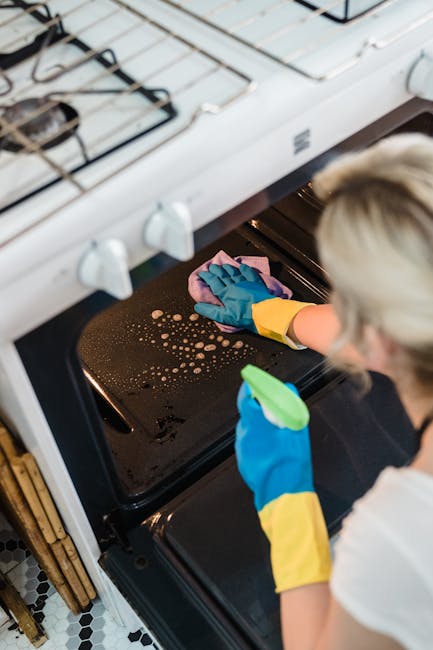
In most cases, the process includes removing racks, trays, side panels and sometimes fan covers if the oven design allows it. These parts are cleaned separately, while the cavity is treated with products designed to soften baked-on grease. The cleaner then lifts residue by hand, wipes away loosened grime, and finishes by polishing internal and external surfaces. The result is not just a shiny door. The whole appliance should feel fresher and more usable.
Some ovens need extra care around catalytic liners, enamel coatings or pyrolytic functions. Those terms sound technical, but in plain English they just mean the oven may have surfaces or cleaning modes that should not be scratched or over-treated. This is one reason DIY scrubbing can go wrong. A little too much pressure, and suddenly the finish is damaged. Not ideal.
At a local level, the benefit of a professional service is consistency. If you are juggling work, children, guests or a move, the job gets done properly and without eating into your weekend. And if you already rely on a regular cleaner or wider cleaning company, oven cleaning can slot neatly into a broader home-care routine.
Key Benefits and Practical Advantages
A clean oven does more than look nice. It changes how the kitchen feels and functions. You notice it the moment you preheat the appliance and do not get that old burnt smell drifting through the room. Small thing, but it matters.
- Better hygiene: old grease and carbon residues are removed instead of being reheated every week.
- Reduced smoke and odours: useful if you cook at high temperatures or roast fatty foods often.
- More even cooking conditions: heavy build-up can interfere with heat distribution and airflow.
- Improved appearance: a clean oven lifts the whole kitchen, especially in open-plan homes.
- Less risk of damage: build-up left too long can become harder to remove and may shorten the life of some parts.
- Better presentation for guests or inspections: especially helpful for rentals or shared homes.
There is also a psychological benefit. When the oven is clean, cooking feels less like a chore. That sounds soft, but it is real. People are more likely to use a kitchen well when it does not feel greasy, grimy, or slightly embarrassing. If you have ever shut the oven door quickly before someone sees inside, you know exactly what I mean.
For homes with more than one cleaning need, combining oven work with one-off cleaning can be a sensible way to get the whole property back to a usable baseline without setting up a long-term schedule.
Who This Is For and When It Makes Sense
Oven cleaning Englands Lane NW3 Belsize Park makes sense for a wider range of people than you might think. It is not only for very busy households or people about to move out. In real life, it helps anyone whose oven has crossed that invisible line from "used" to "needs attention."
This service is especially useful if you are:
- a homeowner who cooks often and wants a properly clean appliance;
- a tenant preparing for an end of tenancy inspection;
- a landlord or letting agent getting a property ready for new occupants;
- someone recovering after a large family gathering or holiday cooking marathon;
- an older resident or busy professional who does not want to spend hours on tough scrubbing;
- planning a broader refresh as part of house cleaning or home cleaners support.
It also makes sense if the oven has not been deep cleaned in a long time. You do not need to wait until it is smoking dramatically. In fact, it is easier, safer and usually more cost-effective to act earlier. Catching the grease before it becomes baked on for months is much kinder to the appliance.
And yes, if you are the kind of person who opens the oven, looks at the mess, and quietly closes it again... you are not alone.
Step-by-Step Guidance
If you are wondering what happens during a proper clean, here is the usual sequence. It may vary slightly depending on the oven and the condition of the build-up, but the logic stays the same.
- Initial inspection: the technician checks the oven type, visible grease, and any parts that need special handling.
- Preparation: shelves, trays and removable accessories are taken out and placed for separate cleaning.
- Surface protection: the surrounding area is protected so the kitchen stays tidy.
- Grease loosening: suitable cleaning solution is applied to soften baked-on residue.
- Manual detailing: stubborn areas, corners, seals and edges are cleaned carefully by hand.
- Racks and accessories: trays and racks are degreased and scrubbed separately.
- Glass and exterior finish: the oven door, control area and any external panels are polished.
- Final check: everything is reassembled, checked, and left ready for use.
That final check matters more than people think. A good clean should not leave streaks, residue or gritty bits in the bottom of the oven. It should feel finished, not rushed. If a service also involves a deep cleaning approach for the kitchen, the cleaner may spend longer on the surrounding splash zone, extractor area and kickboards too.
Before the visit, it helps to move any fragile items away from the oven, clear the hob area, and make sure there is reasonable access. Nothing dramatic. Just enough space to work neatly and safely. That tiny bit of prep makes the whole thing smoother.
Expert Tips for Better Results
Over the years, a few simple habits make oven cleaning go better. These are not complicated tricks. Mostly they are about timing, patience and not making the job harder than it needs to be.
- Do not let spills bake in for weeks. A quick wipe after the oven cools is much easier than scraping later.
- Use oven liners carefully. They can help, but they should not block airflow or touch heating elements.
- Check the manufacturer guidance. Some finishes and self-cleaning ovens have specific do-not-use warnings.
- Book before it becomes an emergency. The mess is usually less stubborn when the oven is cleaned regularly.
- Think about the rest of the room too. A gleaming oven looks best in a kitchen that is reasonably clean around it.
One good rule: if you can smell burnt residue when the oven heats up, it is probably past the "I'll deal with it next week" stage. We've all been there. Next week has a funny way of becoming next month.
If your home also has carpets, upholstery or hard floors that need attention after a renovation, party or busy season, a broader service plan may be worth exploring, such as carpet cleaning, sofa cleaning, or hard floor cleaning. Not because you must do everything at once, but because small jobs often cluster together.
Common Mistakes to Avoid
People often try to save time with the oven and end up creating more work. The classic errors are easy to spot once you know what to look for.
- Using abrasive tools on glass or enamel: this can scratch the surface and leave permanent marks.
- Mixing products: never combine chemicals casually. It is not worth the risk.
- Cleaning a hot oven: heat can make products behave unpredictably and make the job harder.
- Ignoring seals and fan covers: these areas collect grime and affect the final result if skipped.
- Reassembling too quickly: if parts are still damp or not fully cleaned, the result feels half-done.
Another mistake is assuming every oven can be treated the same way. It cannot. Some ovens have self-cleaning functions or coated interiors that need more restraint, not less. A careful cleaner will know how to adapt, but a rushed DIY approach often just bulldozes through the problem. That rarely ends well.
There is also the "clean the visible bit only" trap. The door may look fine, but the side racks, underside of the fan cover and edges of the cavity can still be carrying a fair amount of grease. The devil, as people say, lives in the corners.
Tools, Resources and Recommendations
For a professional result, the right tools matter. Not because the equipment is magical, but because the correct combination of non-scratch pads, degreasing solutions, cloths, scrapers and protective materials lets the job be done properly and safely.
| Approach | Best for | Strengths | Limitations |
|---|---|---|---|
| DIY quick clean | Light surface grease | Cheap, fast, okay for maintenance | Struggles with baked-on residue and detail work |
| Manual deep clean | Moderate to heavy build-up | More thorough, good for regular homes | Time-consuming and physically messy |
| Professional oven cleaning | Heavy grease, end-of-tenancy, time-poor households | Careful, detailed, less hassle, better finish | Requires booking and cost consideration |
In many homes, the most sensible route is not an extreme one. A decent upkeep routine plus an occasional professional clean works better than over-cleaning with harsh products. If you already use broader support such as one-off cleaning or house cleaning, it is easy to fold the oven into that plan.
For trust and peace of mind, it also helps to review pages covering business standards and customer care, such as about us, insurance and safety, and health and safety policy. Those pages do not clean the oven for you, obviously, but they do tell you how a service thinks about risk and responsibility.
Law, Compliance, Standards, or Best Practice
Oven cleaning is not usually a heavily regulated specialist activity in the way some trades are, but sensible standards still matter. In practical terms, the work should be carried out with due care, appropriate products, and respect for the property and appliance. That means avoiding damage, avoiding unsafe chemical use, and following any manufacturer instructions that apply to the oven model.
For rented homes, the bigger issue is often expectation rather than law. End of tenancy condition is usually judged by the tenancy agreement and the property's agreed standard, so a grubby oven can become a sticking point even if it is not a legal drama. Cleanliness should be documented carefully, and the best practice is always to leave appliances in a genuinely usable condition, not merely "looked at."
There are also simple health and safety expectations. A cleaning provider should handle products responsibly, keep liquids away from electrics, and work in a way that reduces slip and contact risks. If you are comparing providers, a clear terms and conditions page, along with payment and security information and a fair complaints procedure, can be reassuring. Not exciting reading, I know. Still useful.
From an environmental point of view, many customers now prefer approaches that reduce waste and avoid unnecessary product use. If that matters to you, a provider's recycling and sustainability page can give a sense of how they handle materials and disposable items. It is a small thing, but it says something about overall standards.
Options, Methods, or Comparison Table
When people ask about oven cleaning, they are often really asking, "What is the best way to handle my oven without wasting time or money?" The answer depends on the state of the appliance and how much patience you have left, to be honest.
| Method | Time required | Result quality | Good choice when... |
|---|---|---|---|
| Quick household wipe-down | 10-20 minutes | Light refresh only | You are maintaining an already-clean oven |
| DIY deep scrub | 1-3 hours | Variable | You have time and the build-up is moderate |
| Professional oven clean | Usually less disruption for you | Consistent and detailed | The oven is heavily soiled, or you want a careful finish |
There is a simple pattern here. Maintenance is cheap, deep cleaning is work, and professional cleaning is usually the calmest option when life is already full enough. If your broader property needs include windows, carpets or upholstery, it can be useful to look at window cleaning, carpets cleaner, or upholstery cleaning as part of a wider refresh.
Case Study or Real-World Example
Here is a realistic local scenario. A couple living near Englands Lane had been cooking more at home after a run of busy weeks. Nothing dramatic, just everyday life: tray bakes, fish pies, roast potatoes, the odd spill that was "fine for now." By the time they looked properly, the oven door had a dull brown film and the bottom tray had a patch that seemed welded on.
They had guests coming at the weekend, and the kitchen was the one room they really wanted to feel sorted. They booked a professional oven clean alongside a broader tidy-up of the home. The work took the pressure off them, and the finished kitchen felt fresher straight away. The oven no longer smoked on preheat, the glass was clear again, and the whole room smelled more like cooking than old residue. Nothing magical. Just a proper reset.
That kind of situation comes up a lot. A person waits because the mess is not urgent, then suddenly it is. If that sounds familiar, don't worry. It is very normal. The key is simply not waiting so long next time that the build-up becomes a stubborn monthly argument.
Practical Checklist
Before you book or carry out oven cleaning, run through this checklist. It keeps the job tidy and avoids those annoying little oversights.
- Clear the area around the oven so there is enough working space.
- Remove any food, pans or loose items from the oven and nearby surfaces.
- Check whether the oven has self-cleaning features or special coatings.
- Decide if you want oven cleaning only or a wider deep cleaning service.
- Look for signs of heavy grease, smoke marks or stubborn residue.
- Review service information such as pricing and quotes before booking.
- Keep children and pets away during the visit.
- After cleaning, check the glass, racks, seals and cavity edges before signing off.
That last step is worth keeping. A fast glance can miss a streak or a greasy corner. Better to notice it immediately than later when the kettle is already on and the cleaner has gone. A two-minute check saves a lot of faff.
Get a free quote today and see how much you can save.
Conclusion
Oven cleaning Englands Lane NW3 Belsize Park is one of those small services that makes a surprisingly big difference. It improves the way your kitchen looks, smells and works, and it removes the quiet frustration of knowing the oven is not really at its best. Whether you are preparing for guests, getting ready for a tenancy move, or simply want your home to feel more in order, a proper clean is a sensible investment in everyday comfort.
The main thing is not to wait until the grease becomes baked into every corner. A little care goes a long way, and when the job is done properly, you notice it every time you open the door. Clean oven, calmer kitchen. Simple as that.
If you want a more comfortable home this week rather than "sometime soon," take the next step while the job is still manageable. That feels better, honestly.
Frequently Asked Questions
How often should I book oven cleaning in Englands Lane NW3 Belsize Park?
It depends on how often you cook and how quickly grease builds up, but many households find that a deep clean every so often, plus light maintenance in between, keeps the oven in decent shape. If you roast often or cook with high heat, you may need it more frequently.
Is professional oven cleaning worth it for a fairly small oven?
Yes, especially if the oven is heavily soiled or you do not want to spend a long time scrubbing. Small ovens can still collect a stubborn amount of grease, and the labour often takes longer than people expect.
Will oven cleaning remove burnt-on grease and old smells?
In many cases, yes. A proper clean is designed to remove the residue that causes lingering odours and smoke. If the oven has deeper mechanical issues or damaged parts, that is a separate matter, but surface build-up usually improves a lot.
Can oven cleaning help if my oven smokes when I preheat it?
Very often, yes. Smoke on preheat is commonly linked to old grease or residue inside the oven. A thorough clean can reduce or remove that problem, provided there is not another fault in the appliance.
Is it safe to clean my oven myself?
For light maintenance, yes, if you follow the manufacturer's guidance and use appropriate products. For heavy build-up, stubborn stains or ovens with special coatings, professional cleaning is usually the safer option.
Do I need to empty everything out before the cleaner arrives?
It helps to remove loose items near the oven and clear enough space for access. You do not usually need to strip the whole kitchen, but giving the cleaner room to work makes the process smoother.
What if my property needs more than oven cleaning?
That is common. Many people combine the oven with one-off cleaning, carpet cleaning, or window cleaning when they want the place to feel properly refreshed.
Is oven cleaning useful at the end of a tenancy?
Definitely. The oven is one of the most checked appliances during move-out inspections, so a thorough clean can help the property present well and reduce avoidable issues.
How long does a professional oven clean usually take?
It varies with the oven type and how dirty it is. A lightly used appliance is quicker, while a heavily neglected one may take longer because the cleaner needs time to loosen and remove built-up grease carefully.
Do cleaners use harsh chemicals on every oven?
Not usually. A careful cleaner should choose products and methods suited to the oven's condition and finish. The goal is a safe, effective clean, not a scorched-earth approach. That would be a bit much.
What should I look for in a trustworthy oven cleaning service?
Look for clear service information, sensible safety practices, transparent pricing, and straightforward customer terms. Pages such as about us, insurance and safety, and complaints procedure can help you judge how professional the service feels.
Can oven cleaning be added to a wider home cleaning visit?
Yes, and that is often the most practical way to do it. Many people pair it with house cleaning, domestic cleaning, or deep cleaning so the whole home feels sorted at the same time.